Essential Landscaping: Create an Attractive and Practical Outdoor Environment
Landscaping basics comprise a blend of functionality, design, and upkeep. A thoughtfully arranged outdoor space improves both aesthetics and functionality. Important factors involve assessing the landscape's size, purpose, and existing features. Choosing appropriate plants and integrating hardscaping elements are essential steps. Understanding these fundamentals can create a more inviting environment. What strategies can one implement to secure a thriving landscape that expresses personal style? The answer resides in the details.
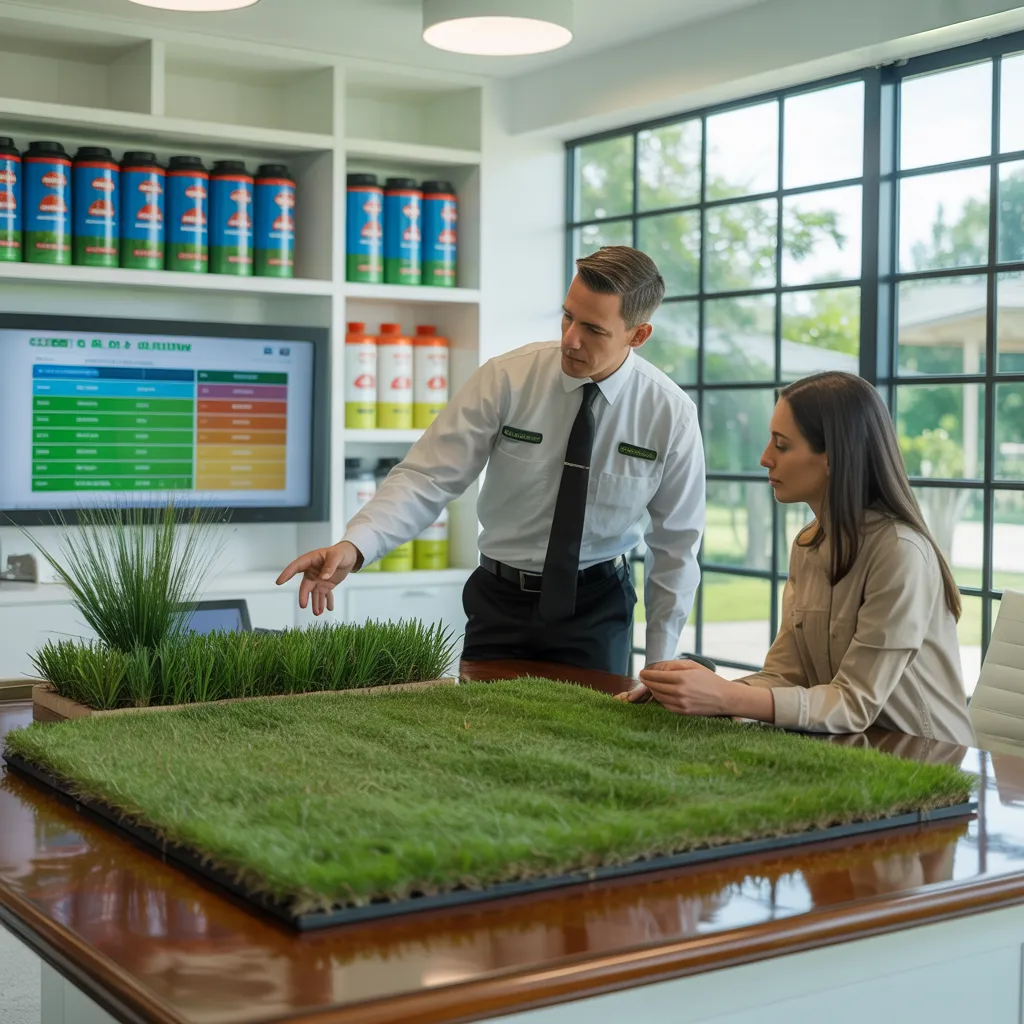
Landscape Needs Assessment: Critical Considerations
In what ways can homeowners properly determine their landscape necessities? To begin, they ought to copyrightine their outdoor space by copyrightining its size, shape, and existing features, such as trees, pathways, and structures. Recognizing the key goal of the landscape is crucial; whether it's for entertainment, relaxation, or gardening will heavily shape design choices. It's important for homeowners to also assess solar patterns, soil quality, and drainage conditions, as these factors affect plant variety and location.
Furthermore, it is essential to contemplate maintenance needs; a low-maintenance landscape may suit busy individuals, while those with more time may prefer intricate designs. Budget considerations will also be a factor, as different landscaping options can vary significantly in cost. Ultimately, gathering inspiration from different sources, such as magazines or online platforms, can help homeowners clarify their vision and needs, leading to a more individualized and satisfying landscaping plan.
Selecting and Positioning Optimal Plants for Your Landscape
When selecting plants for a landscape, several elements such as climate, soil type, and maintenance needs must be taken into account. Additionally, ideal placement strategies can elevate visual appeal and foster plant health. Understanding these components is important for creating a healthy outdoor environment.
Criteria for Plant Selection
Selecting the right plants for a landscape requires thoughtful reflection of numerous elements to ensure a balanced and sustainable environment. Elements such as climate, soil type, and sunlight availability are vital in determining plant suitability. Additionally, the intended use of the space—whether for aesthetics, privacy, or attracting wildlife—should influence plant selections. It is also important to consider the growth habits and maintenance requirements of plants, ensuring they align with the homeowner's ability to care for them. Native species often provide durability and lower maintenance, while seasonal interest enhances visual appeal throughout the year. Ultimately, a thoughtful approach to plant selection fosters a thriving landscape that complements both the environment and the homeowner's vision.
Optimal Positioning Techniques
Strategic placement strategies are crucial for creating a visually pleasing and functional landscape. The arrangement of plants should consider their height, spread, and growth patterns. Taller plants are best situated at the back of beds or against fences, while shorter varieties review now should be set in front to maintain visibility and access to sunlight. Grouping plants with similar water and sunlight needs can optimize maintenance and promote healthy growth. In addition, incorporating seasonal color and varying textures increases visual interest throughout the year. Pathways should be planned to allow easy access to different areas, guaranteeing that the landscape remains practical. Eventually, thoughtful plant placement not only elevates aesthetics but also contributes to the overall harmony and sustainability of the outdoor environment.
Hardscaping Elements in Landscaping: Building Structure
Although landscape design often emphasizes greenery and plant life, the integration of hardscaping elements plays an essential role in developing structure and functionality within outdoor spaces. Hardscaping refers to the non-plant components of landscaping, including materials such as stone, brick, concrete, and wood. These elements offer a framework that defines areas, creates visual interest, and supports the overall design.
Elements like patios, retaining walls, and pathways both improve usability but also contribute to the aesthetic appeal of a landscape. As an illustration, a strategically positioned stone wall can offer both privacy and support for plant beds, while a patio creates a dedicated space for outdoor gatherings. Moreover, incorporating hardscaping elements allows for effective drainage and erosion control, ensuring the landscape remains intact over time. Finally, the thoughtful combination of hardscaping and greenery produces a harmonious environment that balances beauty with practicality.
Planning Pathways and Gathering Spaces: Developing Flow
Establishing flowing transitions within a landscape often depends on the careful design of pathways and gathering spaces. Pathways function as the veins of a garden, directing visitors through different sections while boosting accessibility. They can be built from a variety of materials, such as stone, gravel, or wood, each providing a unique aesthetic and functional quality.
Gathering spaces, strategically placed along these pathways, promote social interaction and relaxation. Features like benches, fire pits, or shaded areas can transform a mere passage into a destination, prompting individuals to pause and appreciate their surroundings.
A well-designed pathway should connect key areas, such as entry points, gardens, and recreational spaces, while taking into account the natural flow of foot traffic. Including curves and varying widths can establish a more organic feel, allowing the landscape to guide movement naturally. Ultimately, the harmonious integration of pathways and gathering spaces creates an inviting outdoor environment.
Choose Eco-Friendly Solutions: Environmentally Conscious Landscaping Techniques for Your Garden
The design of pathways and gathering spaces can be complemented by eco-friendly landscaping practices that enhance both aesthetics and sustainability. Incorporating native vegetation is essential to eco-conscious landscape design, as such plants demand less irrigation and care while sustaining native animal populations. Implementing permeable surfaces in walkways facilitates rainwater absorption, reducing runoff and promoting groundwater recharge.
Rain gardens can also be strategically placed to gather runoff from paved areas, filtering pollutants and creating habitat for beneficial insects. Composting organic matter enhances soil health, decreasing the need for chemical fertilizers. Additionally, using organic mulch aids in moisture retention, suppress weeds, and regulating soil temperature.
Adopting these approaches not only creates a stunning outdoor space but also encourages an environmentally responsible approach to landscaping, promoting biodiversity and conserving resources. By focusing on sustainability, homeowners can cultivate a yard that prospers naturally while reducing their carbon footprint.
Critical Maintenance Suggestions for a Prosperous Landscape
To keep a lively landscape, creating a systematic watering schedule is vital. Additionally, employing proper pruning and trimming techniques can promote healthy growth and boost the general appearance of plants. These essential maintenance practices provide a thriving outdoor space across the seasons.
Consistent Watering Routine
How does a systematic watering plan turn ordinary landscapes into lush sanctuaries? When plants get dependable hydration, a methodical watering approach strengthens their condition and thriving state. This approach fosters stronger root systems, helping plants tolerate water scarcity more successfully. It also prevents overwatering, which can lead to root rot and other issues. Modifying the schedule according to seasonal shifts and regional weather patterns is essential for optimal outcomes. Early morning or late afternoon are ideal times for watering, minimizing evaporation and maximizing absorption. Furthermore, implementing a drip watering setup can assist in sustaining consistent dampness, guaranteeing each plant gets adequate hydration. In the end, a consistent watering routine is essential for a thriving, aesthetically pleasing outdoor space.
Tree Trimming and Pruning Approaches
Although many people overlook this aspect, pruning and trimming practices are vital for preserving a flourishing and aesthetically pleasing landscape. Effective pruning fosters expansion, increases ventilation, and clears away dead or unhealthy branches. It is crucial to utilize appropriate equipment, such as sharp shears and saws, to deliver clean cuts that facilitate healing. Trimming, by comparison, aids in forming plants and regulating their size, making them fit well within the overall design. Timing is likewise essential; the optimal time for most plants is late winter or early spring. Consistent upkeep both improves visual appeal and fortifies plants, enabling them to flourish and ward off pests. Utilizing these approaches is critical for thriving landscape maintenance.

Enhancing Your Landscape: Accessories and Decor That Complete Your Space
While homeowners aim to craft attractive outdoor living spaces, the right accessories and decor can significantly improve the overall landscape. Intentionally picked elements, like garden sculptures, decorative planters, and outdoor furniture, can contribute individuality and elegance. Illumination represents another essential component; decorative lights and lanterns not only illuminate pathways while creating a warm atmosphere during evening gatherings.
Moreover, water features such as fountains or birdbaths can serve as focal points, attracting wildlife while delivering soothing sounds. Including textiles, such as colorful cushions or outdoor rugs, can make seating areas more comfortable and visually inviting.
Natural components, such as stone or wooden accents, can blend harmoniously with nearby vegetation, merging artificial elements with the natural environment. By combining these accessories and decor thoughtfully, homeowners can cultivate a cohesive and inviting outdoor environment that reflects their personal style while enhancing functionality.
Popular Questions
What Is the Best Time of Year for Landscaping Projects?
The best time for landscaping projects is commonly spring or early fall. Such seasons present excellent weather conditions, helping plants to establish roots before winter, facilitating successful growth and a healthy outdoor environment in the following months.
What's the Best Way to Choose a Landscaping Contractor?
To select the right landscaping contractor, one should evaluate credentials, request references, analyze portfolios, evaluate quotes, and assess communication skills, ensuring the contractor matches the project's vision, timeline, and budget requirements.
What Are Most Common Pitfalls to Stay Away from in Landscaping?
Common mistakes in landscaping include planting too densely, neglecting soil quality, not preparing for seasonal changes, choosing inappropriate plants for the climate, and underestimating maintenance necessities, all of which can obstruct the desired outdoor aesthetic and functionality.
What's the Best Way to Budget for Landscaping Costs?
To properly budget for landscaping expenditures, one must investigate expenses, determine project priorities, formulate a complete plan, allocate a contingency fund for unexpected expenses, and consistently evaluate and revise the budget when necessary across the complete process.
What Landscaping Styles Should I Explore for My Residence?
Today's landscaping trends include eco-friendly practices, native plant varieties, outdoor living zones, vertical gardens, and smart irrigation systems. These elements enhance aesthetics while promoting environmental responsibility and functionality, attracting homeowners seeking modern solutions.